June gave the mobile vet team from Chiang Mai University a bit of reprieve. There was a break from EEHV related cases and a return to some more mundane concerns and a new opportunity to educate veterinary students on the specifics of elephant care. But there was also, a fairly rare case that could indicate the development of cancer. We’ll be sure to provide an update in the future if we are able to get one!
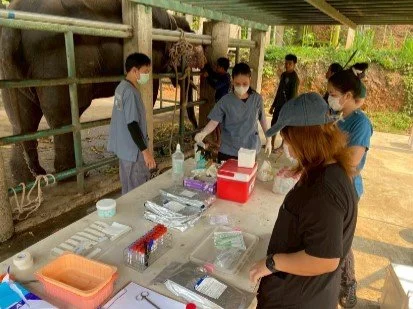
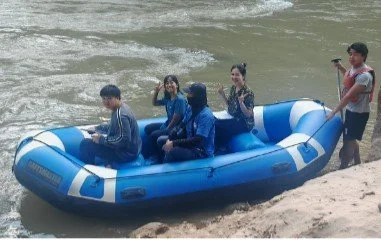
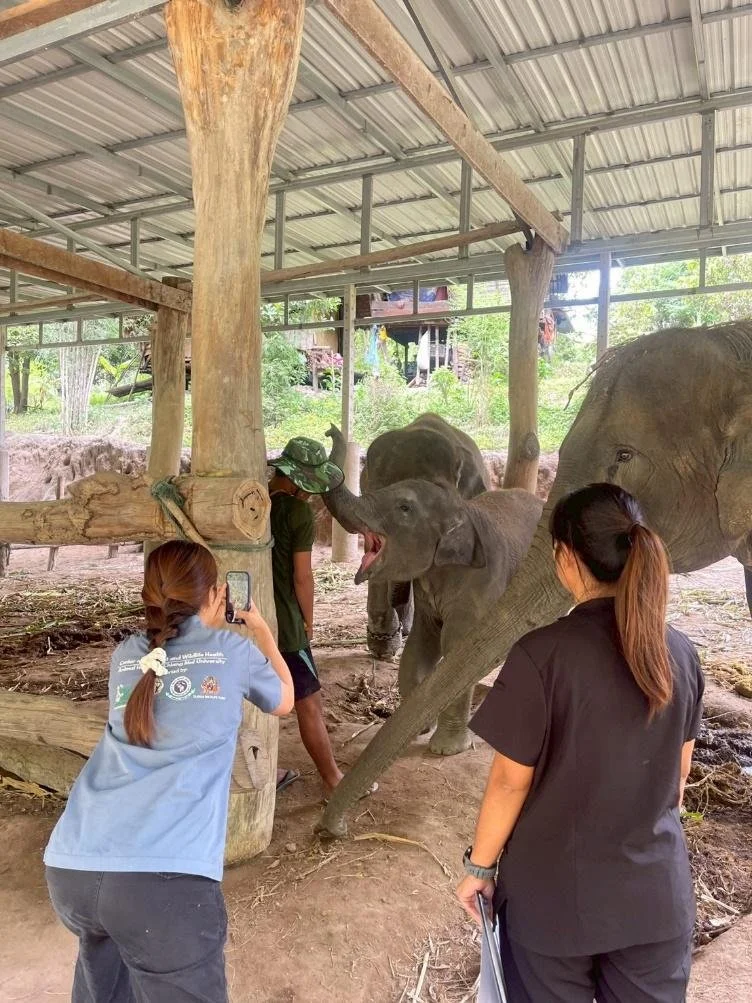
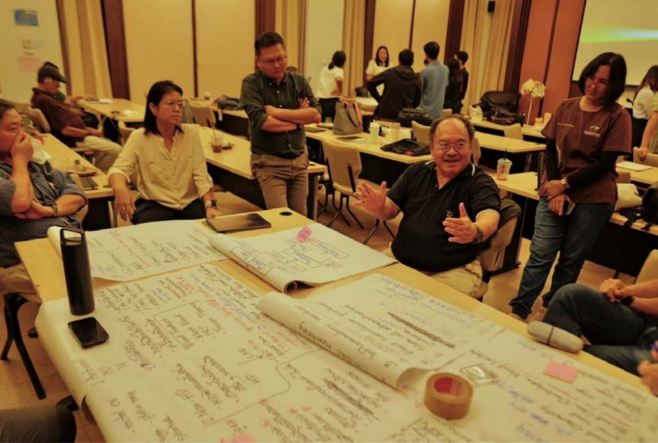
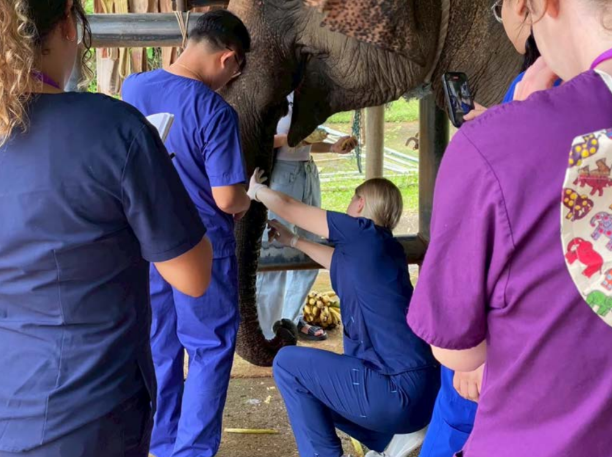
On June 8–9 2026, the Elephant Veterinary Assistant training course, a collaborative activity organized by International Sustainable Development Studies Institute (ISDSI), Elephant Research and Education Center (EREC), and Elephant Jungle Sanctuary in Mae Wang, hosted 6 American students and 3 Thai CMU veterinary students. As part of the Elephant Veterinary Assistant Training Program, participating students attended a series of lectures delivered by instructors and veterinarians from EREC, as well as the resident veterinarian of Elephant Jungle Sanctuary. The lecture topics included basic elephant biology, basic physical examination of elephants, important elephant diseases and
disorders, and basic first aid for elephants.
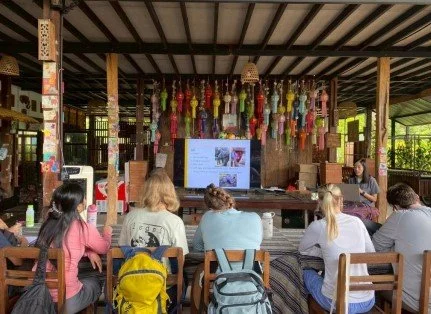
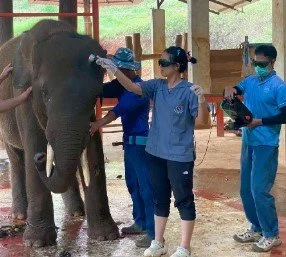
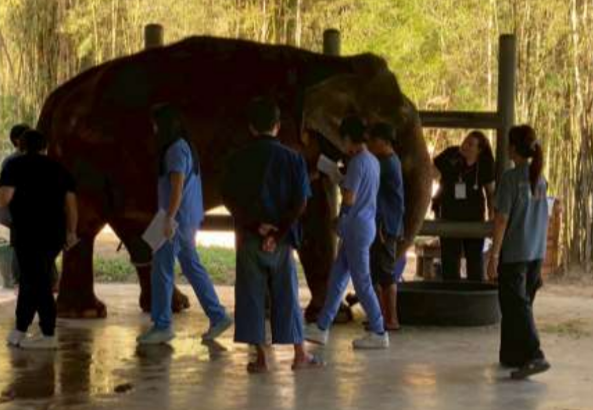
Lecture time during the Elephant Veterinary Assistant Training Course at Elephant Jungle Sanctuary
On 8 June 2026, the morning session consisted of lectures on basic elephant biology
and behavior, as well as fundamental techniques for physical examination of elephants.
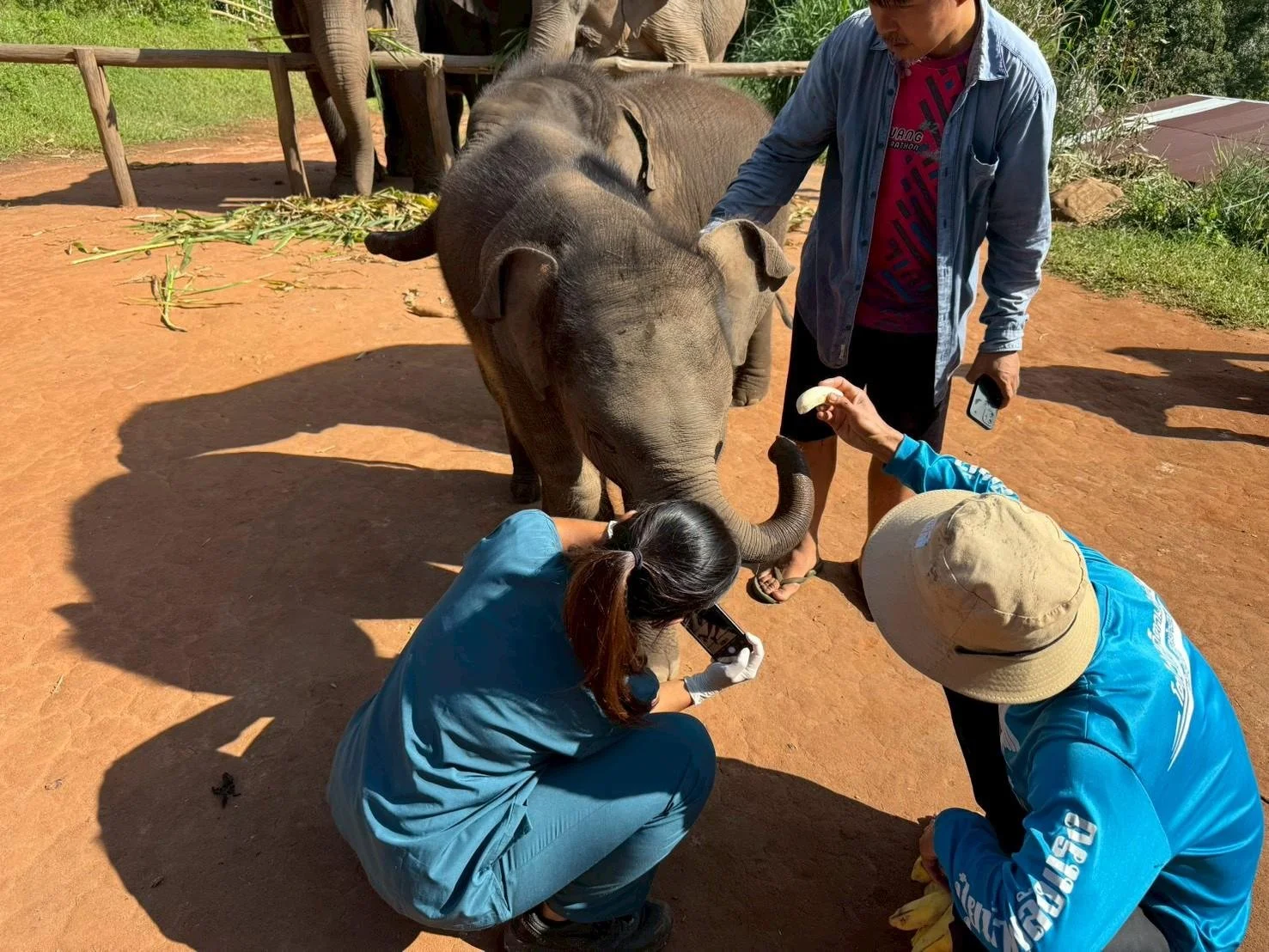
In the afternoon, the students were divided into two groups and given the opportunity to
perform basic physical examinations using a standardized examination form. Each
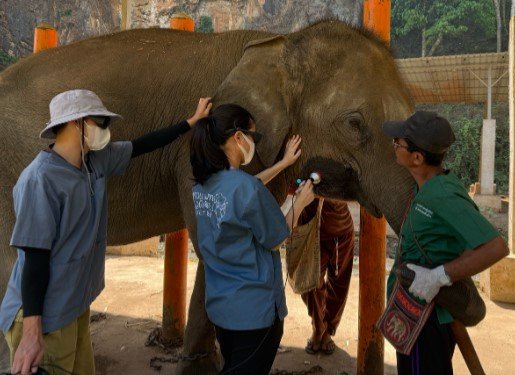
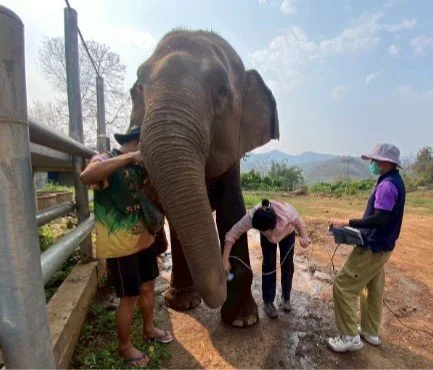
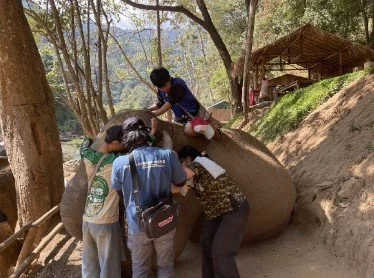
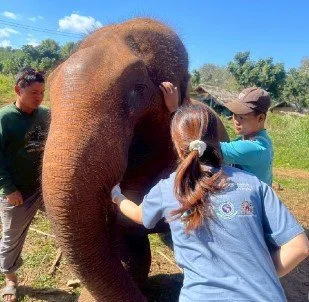
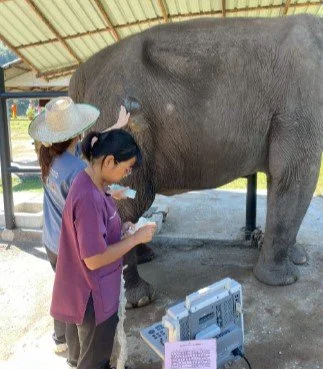
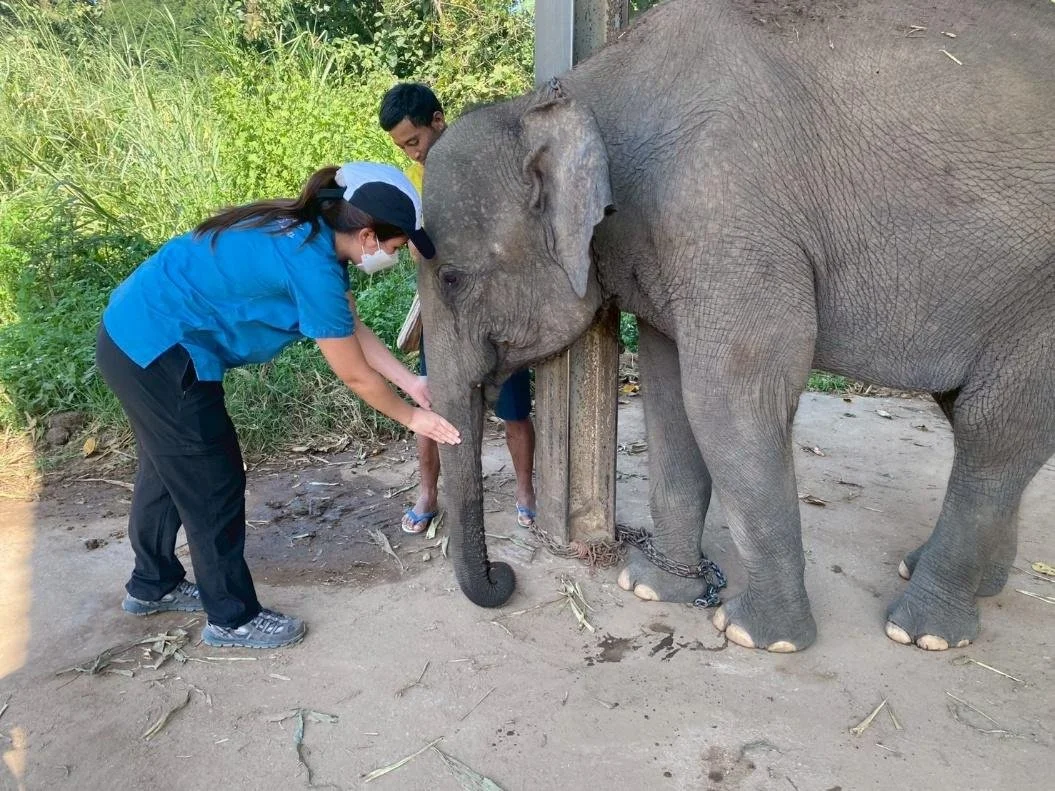
group was assigned one elephant for assessment and afterward the groups discussed and then shared their findings with each other and the other group. On June 9th, the morning session consisted of lectures on major diseases and disorders affecting elephants, as well as the principles of basic first aid in elephants. During the afternoon session, students were assigned to the same groups established on June 8th and continued working with the same elephants used in the previous day’s practical training.
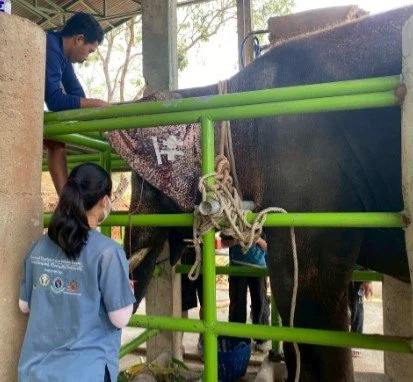
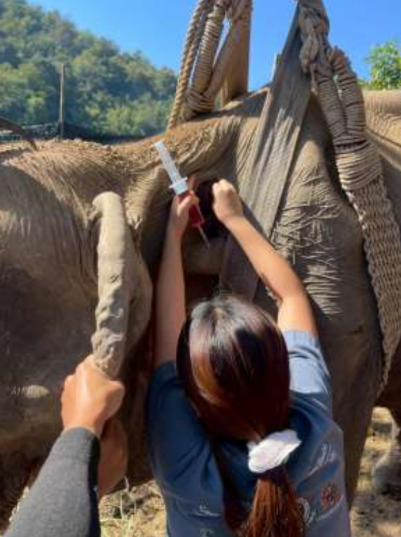
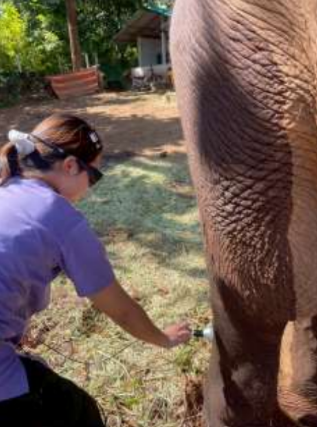
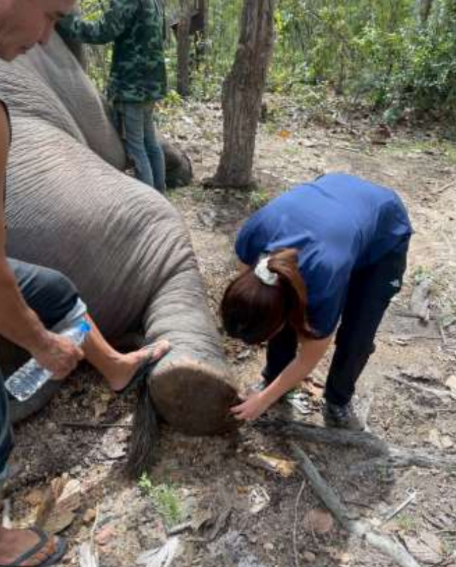
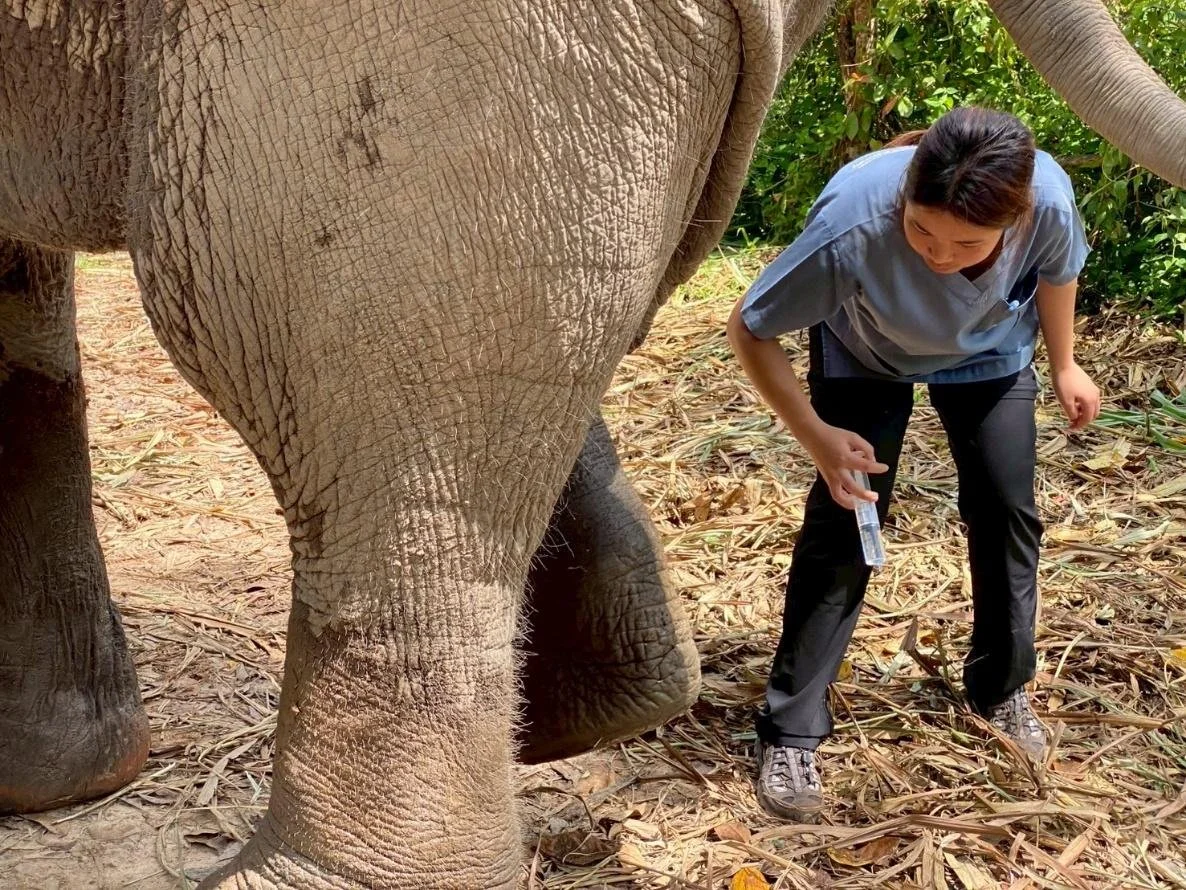
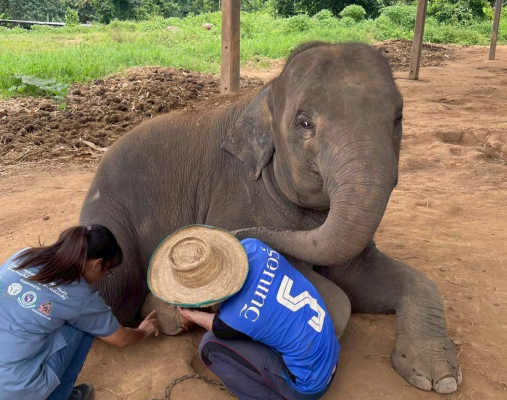
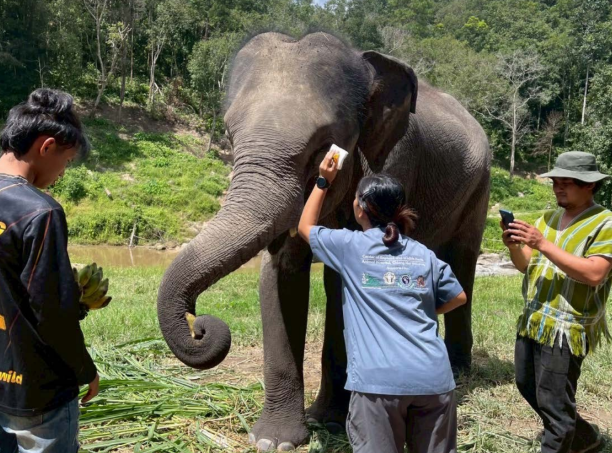
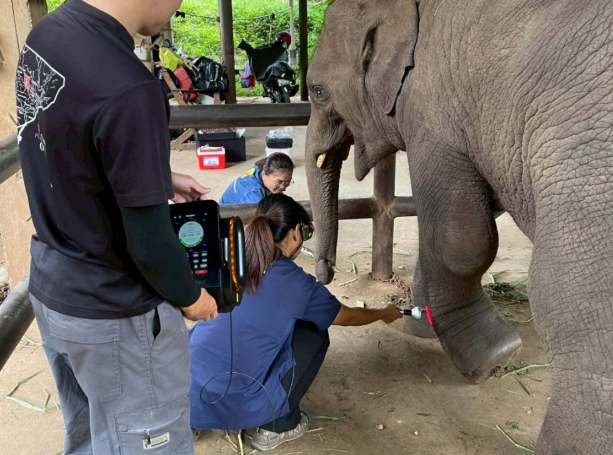
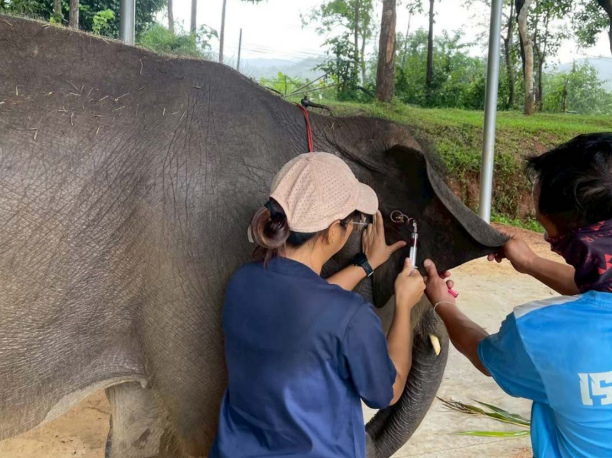
The students then participated in a hands-on first aid training session. Each elephant
underwent different procedures according to its individual needs and suitability, allowing
students to gain practical experience with a variety of basic veterinary interventions. Following the completion of the practical session, students discussed their observations
and experiences within their respective groups, similar to the activity conducted on the
previous day. Each group then presented its findings, assessments, and
recommendations to the other group and the instructors for further discussion and feedback.
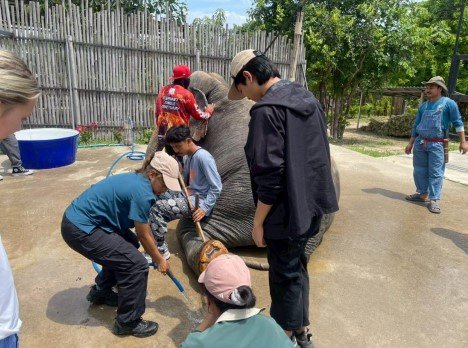
Vet assistant students practice first aid on elephants during afternoon activities
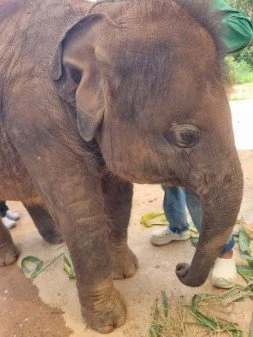
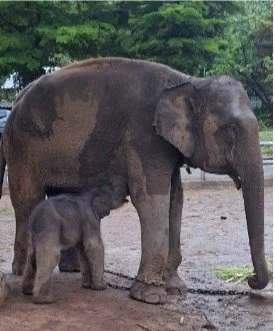
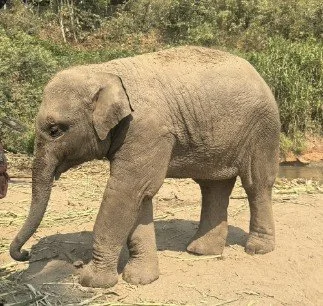
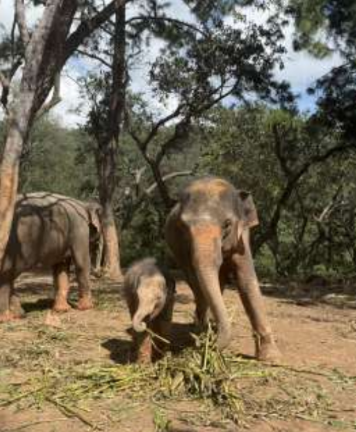
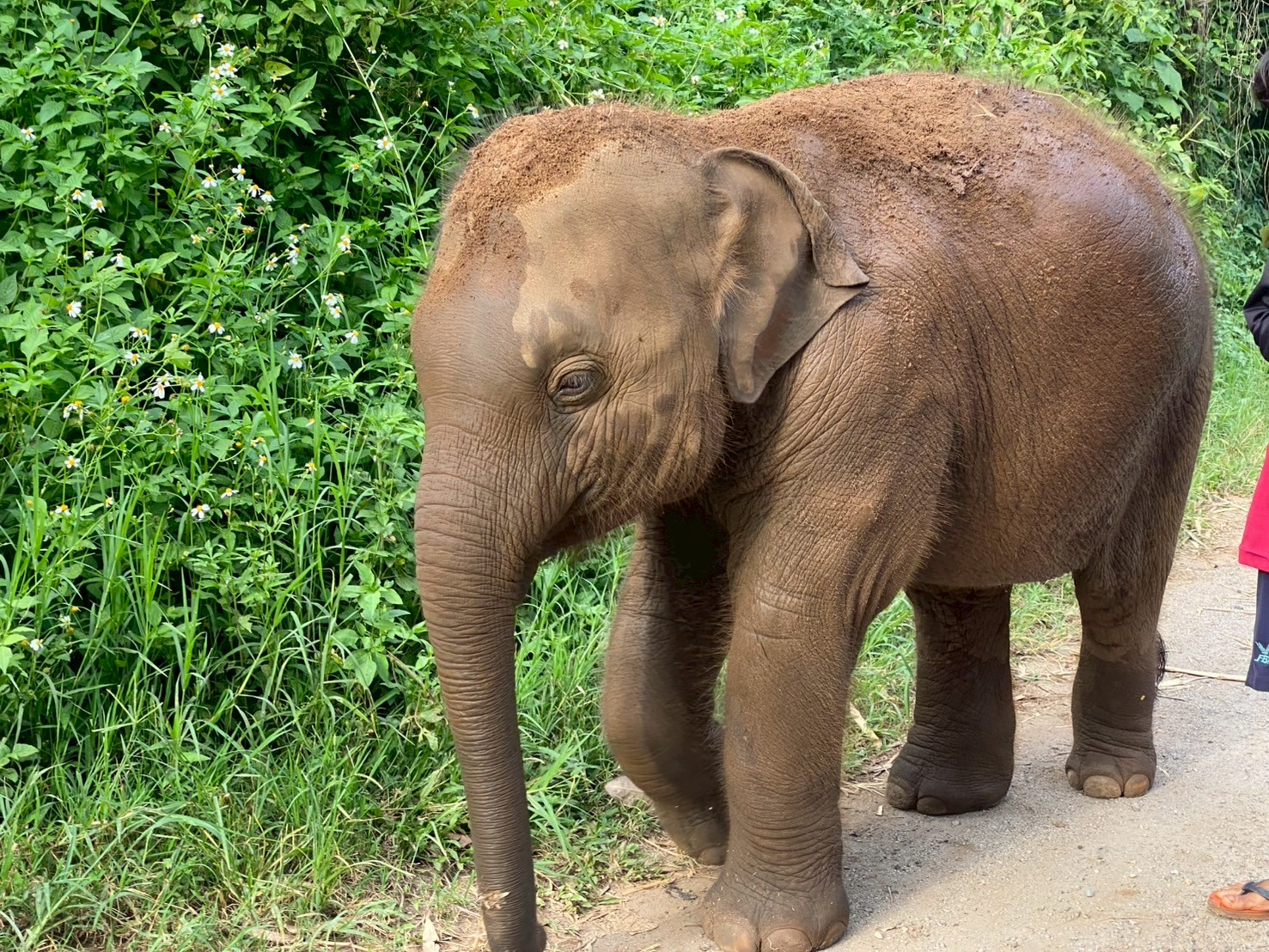
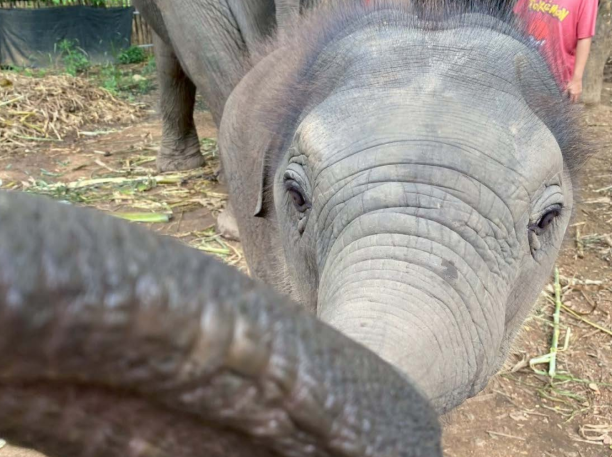
A 6-month-old elephant calf was observed to nurse normally; however, milk yield from
both mammary glands of the dam (mother) was reported to be insufficient during the calf’s suckling. Supplemental feeding with goat milk was therefore provided by the mahout. To prevent potential hypocalcemia (low calcium levels) secondary to inadequate milk intake, the calf was administered 10 Caltab tablets orally once per day (SID). The dam was treated with 50 domperidone tablets orally twice per day (BID) as a galactagogue (substances—including foods, herbs, or medications— which help initiate, maintain, or increase breast milk production). In addition, the mahout was instructed to provide supplemental feeding with goat milk and/or infant formula to ensure adequate nutritional support for the calf.
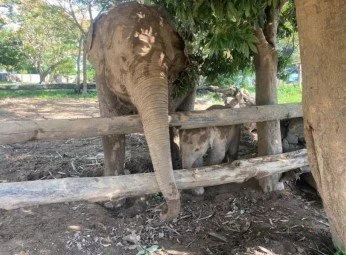
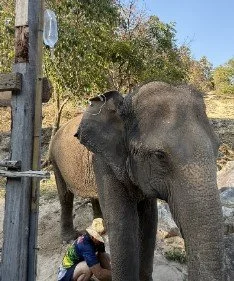
Mom and calf after attempted nursing
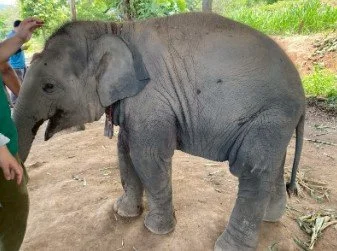
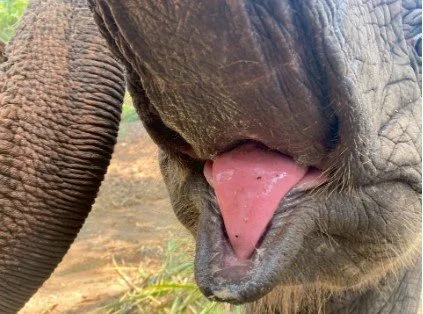
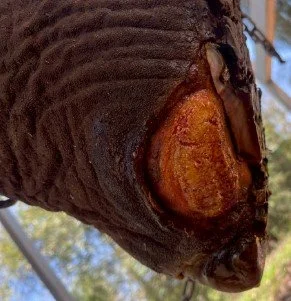
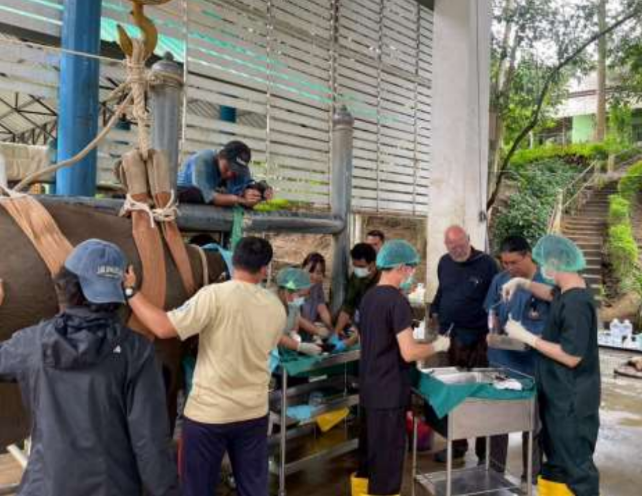
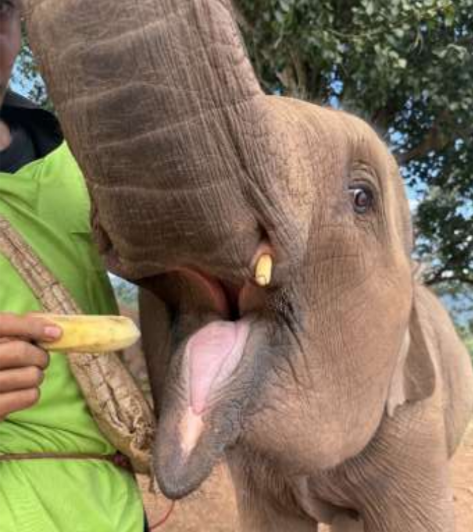
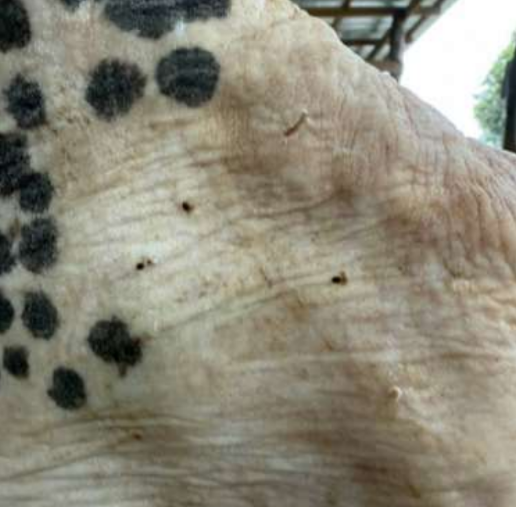
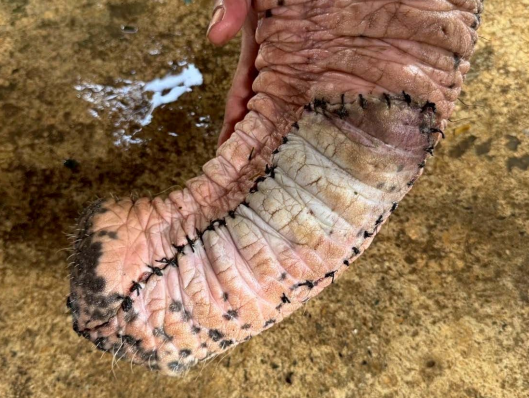
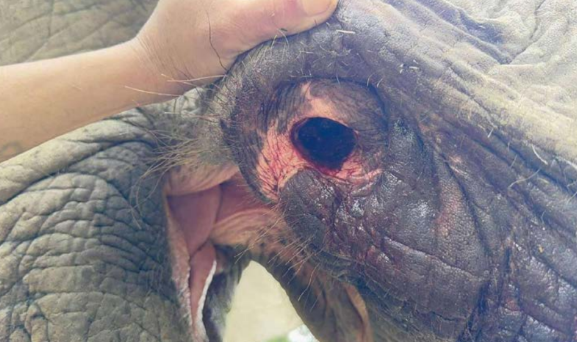
A 5-year-old female elephant was reported to have developed a mass on the inside of the tip of her trunk approximately one week prior to examination. According to the mahout, the mass had progressively increased in size over the course of the week. On the morning of June 12th, bleeding from the mass was observed; however, the hemorrhage ceased spontaneously. The attending veterinarian was subsequently called to evaluate the elephant.
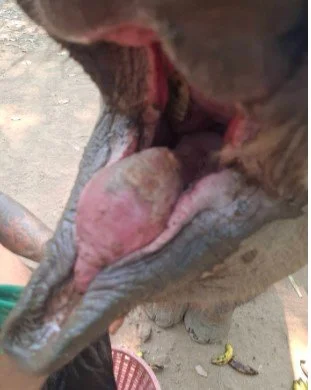
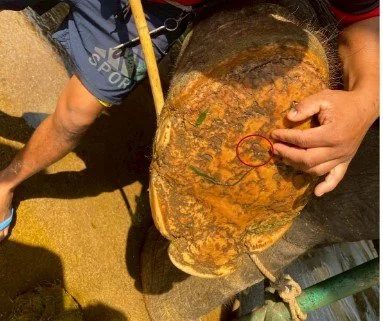
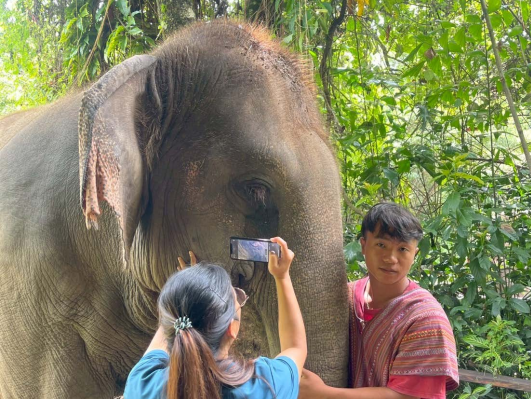
On physical examination, the elephant had a body temperature of 97°F and a strong pulse. A firm mass measuring approximately 2.5 cm in diameter was present on the inner aspect of the tip of the trunk. In addition, a small nodule measuring approximately 1 cm in diameter was observed on the outer aspect of the trunk. Blood samples were collected for complete blood count (CBC) and serum biochemistry analyses. A biopsy sample of the mass was also obtained and submitted for histopathological examination.
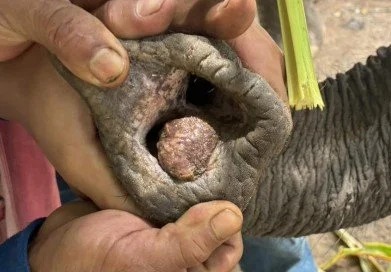
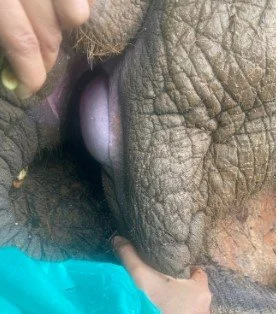
The mass located inside the calf’s trunk
The owner was advised to clean the mass with clean water whenever it became contaminated or after the elephant had been bathing, and to closely monitor the lesion for any changes, particularly further enlargement, while awaiting the biopsy results. When the team returned to check in on the calf days later, the mass on the inner aspect of the distal trunk had increased in size and showed peripheral necrosis. Intermittent bleeding was still observed; however, the hemorrhage was self-limiting. The elephant remained able to eat and breathe normally.
Laboratory findings & diagnosis:
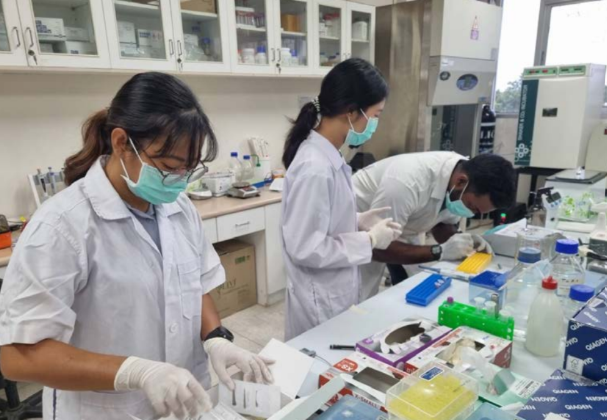
Complete blood count (CBC), cytology, and histopathology indicated chronic inflammation driven by a foreign body or severe chronic irritation. This chronic inflammation is a known catalyst for the development of soft-tissue sarcomas like fibrosarcoma. The body attempts to mount a prolonged immune defense, leading to extensive cell turnover, chronic inflammation, and tissue death (necrosis), which can eventually trigger malignant transformation.
This case is highly unusual and we'll be sure to keep updated as possible.
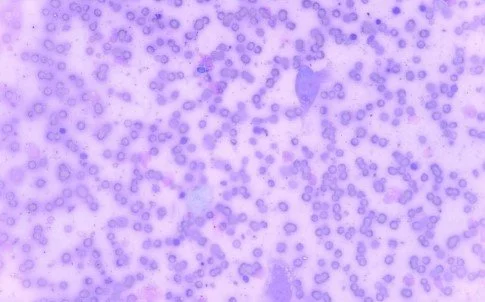
Cytology: Chronic active inflammation with epithelial hyperplasia
The professionals of the Chiang Mai University Mobile Vet Clinic continue to provide top notch care for elephants in all states of health. We are so grateful for their efforts to provide care for Thai elephants of all ages and educational opportunities for new vets! Donate today to support the care of Thai elephants.